
Borrowing from a bank to buy a home on installments will help you realize the dream of owning a home of your own. If you do not want to end up "drowning in debt," read these common mistakes now and learn from them.
Borrowing beyond your ability to pay
At many Hanoi apartment projects, banks offer loan support packages of up to 70% of the apartment's value, and if the customer has additional collateral they may be able to borrow up to 100% of the apartment's value. However, many people make the mistake of confusing the amount they can borrow with the amount they can repay. Borrowing too much while your income is low and unstable will soon leave you unable to repay your debt.
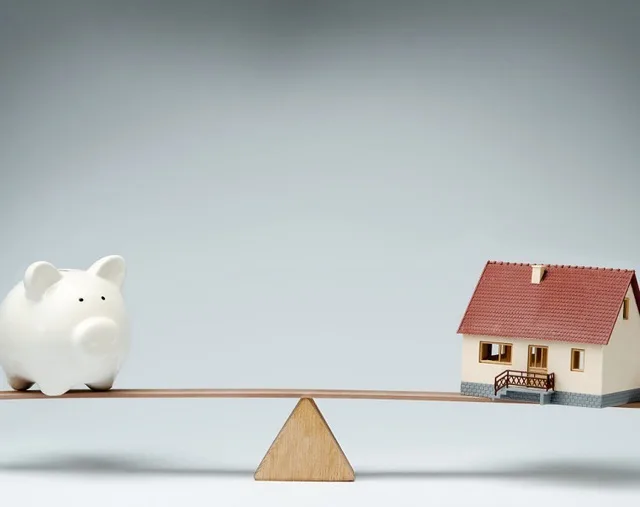
Therefore, before signing a bank loan contract to buy a home on installments, you need to think carefully about your personal income, business profits or other financial sources. Your ability to pay monthly principal and interest should take up at most about 30–50% of your finances. If it exceeds the allowed level, you should review your loan to avoid bad debt in the future. If necessary, stop borrowing and recalculate your plan for buying a home on installments.
Choosing an unreasonable loan term
With the same loan amount, different loan terms will make your monthly and yearly debt payments and interest different.
The reluctance to carry debt and pay interest over a long time leads many people to choose short-term bank loans. However, this puts heavy financial pressure on the borrower, especially customers with unstable incomes. So you should calculate your actual income and the amount you want to borrow carefully in order to consider a suitable loan term.

The advantage of a short-term loan is that the total amount paid to buy an apartment is lower. However, these loans suit only people with stable incomes, because they will have to pay higher monthly debt and interest.
The drawback of a long-term loan is that the total cost of buying the apartment is much higher than usual: the longer the loan term, the higher the total amount to be paid. However, the advantage of a long-term loan is that the monthly principal and interest paid to the bank are at a manageable level. Long-term loans usually suit people with low incomes.
Not understanding the preferential interest rate package
Normally, home loans are long loans, up to 25 years, so banks calculate interest on the declining balance method. The bank will apply a very low preferential interest rate to the customer in the first year. After that, the interest rate is calculated at the floating rate on the market.

Therefore, if you need to borrow from a bank to buy a home on installments, you should carefully review the information from banks, balance your family's finances and make sure you have enough money to repay the debt when the preferential interest rate period ends. Remember well that the bank's preferential interest rate is fixed only for the initial period and does little to ease the pressure of repaying the debt over the long run.
Not reading the loan contract carefully

Before signing a bank loan contract, you need to study each item carefully. If necessary, consult a lawyer. One thing to look out for in the loan contract is the cost of early repayment. Some banks set an early contract termination fee of 4%, but other banks waive this fee. In addition, customers also need to know the penalty for late payment.
Via Dân Trí