
Inspecting the home before completing the transaction is something you should do, and some places even write it into a clause of the home sale and purchase agreement. This allows the buyer to assess the whole house and identify which parts of the home are missing or need repair or replacement.
The inspection can be carried out by the buyer or by an experienced professional. The home inspector will give the buyer a detailed report summarizing all of their findings.
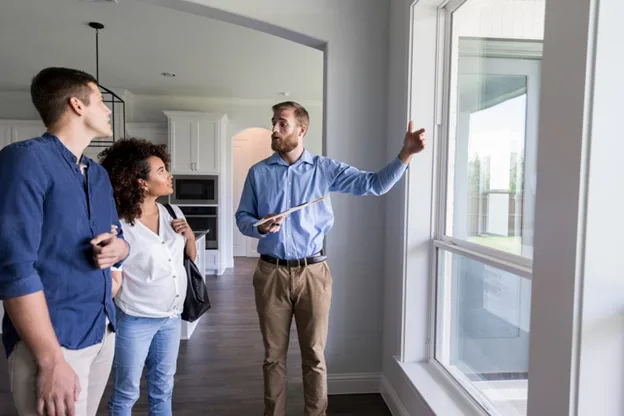
A home inspection clause can allow the buyer to walk away from the deal without losing their deposit if the inspection results do not satisfy them. If they still want to buy the home, the buyer will ask the seller to fix the essential parts or reduce the price.
Most real estate transactions expect negotiation after the home inspection. So do not hesitate to ask to inspect the home you are about to buy. Here are a few tips to give you an advantage in negotiating after the inspection.
1. Talk with your real estate broker
When you receive the report from the home inspector, discuss it with your real estate broker. The broker will give recommendations on which repairs are necessary or which concessions are acceptable. They also need to understand what the seller will be willing to do to make the deal go smoothly.
2. Prioritize the items to repair
A home inspection report will reveal many issues. Important problems such as faulty wiring or a leaking roof should be prioritized over minor ones.
Make a list of the most important items on which you cannot compromise. You should also make another list of items you would like repaired or replaced, but that you can live with or fix yourself if needed.
3. Consider concessions on major items
When raising serious problems, such as a sinking floor, a rotting roof, a malfunctioning heating, ventilation and air conditioning system, or mold, you should ask the seller to repair or replace them.
In many cases, the seller will agree to reduce the price. Time is often important to both parties in a real estate transaction. So a price reduction to offset the cost of repairs is often preferred by everyone above all.

4. Get quotes from professional repair services
The next challenge is working out the repair costs. You will need to get quotes from professional repair services to assess how much you would have to spend if you accept a price reduction from the seller. This can give you more leverage when negotiating with the seller.
5. Consider the market
Are you shopping in a buyer's market or a seller's market? If you are in a seller's market, be careful about asking for too much or too hastily. For example, if the seller is receiving many offers from the market, you do not have much leverage to ask them to carry out many repairs.
6. Make reasonable requests
In general, your wishes will be met as long as your requests are reasonable. After all, both you and the seller want to complete the transaction quickly.
Put yourself in the seller's position and consider what request you would agree to if you were them. If your request is unreasonable, they will say a firm ‘no.’ When negotiating the price after the inspection, your broker should advise you on what would be considered beyond a reasonable request.
7. Know when to stop
If you cannot reach an agreement with the seller on repairs, the contingency clause for the home inspection in the contract can help you cancel the deal and get your deposit back. If the seller does not meet your repair requests, it is better to find another home that meets your standards.
Negotiating repairs after a home inspection can be a difficult process. However, both sides can achieve their goals if the deal succeeds. Make reasonable requests and be flexible about what can be conceded. If it still fails, you can walk away from the deal.
(Source: Compiled)